Maybe you’re off on a big adventure, heading overseas for work, or you’ve finally got that dream garage space for a classic – whatever reason you’re taking a car off the road, it makes sense to service it first.
That’s because cars, while temperamental, fussy about what you feed them, and generally very feisty if you handle them the wrong way – are like the polar opposite of cats.
They do not enjoy sleeping for ages. And they certainly don’t have nine lives.
PRE-STORAGE VEHICLE SERVICING
Leaving a vehicle sitting idle for months or years can cause all sorts of issues, even when stored responsibly. From a flat battery to seized brakes, and even ruined tyres, there’s a catalogue of problems that an unused car can develop when it’s not run for long periods.
That’s why you need to get a proper car servicing done before turning the engine off for the last time. It’ll save you a fortune in headaches down the line. So, make sure everything is tip-top and ready to hibernate – so your car wakes up healthy and happy when you need it.
WHY DO CARS NEED A PRE-STORAGE SERVICE?
OIL
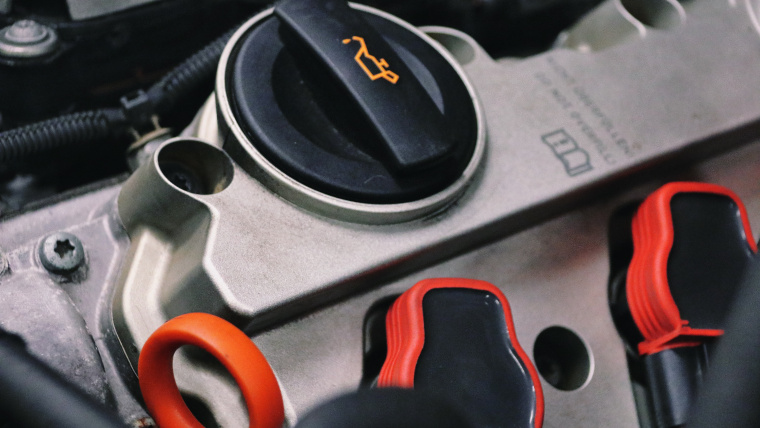
The main reason a service is so vital is because old, dirty fluids can be a real menace when left to sit. Engine oil picks up all sorts of combustion by-products and moisture while you’re driving. If you just leave that in the sump for months, it can become acidic and start to corrode your engine’s internal components from the inside out. A fresh oil and filter change before storage gets rid of all that grime and gives your engine a clean, protective blanket while it’s resting.
BRAKE FLUID
Brake fluid is hygroscopic (which means it absorbs moisture from the air), and over time, that absorbed water can cause corrosion inside your brake lines and calipers – leading to a spongy pedal and expensive repairs.
COOLANT
Topping up (or completely changing) your coolant will protect the engine block from freezing and cracking if temperatures plummet.
FUEL
Modern petrol can “go off”, with a shelf life of 3 to 6 months. In a petrol tank, this can be much shorter. The fuel can start to degrade and absorb moisture, gumming up your injectors and fuel lines. A good service for a car that’s about to go SORN will include checking the fuel system. A full tank can stop air from getting in and creating condensation, and a fuel stabiliser additive will keep the fuel fresh for longer.
GET THE PAPERWORK IN ORDER: SORN AND INSURANCE
Once you’ve got the mechanical bits sorted, you need to think about the legal side of things. You can’t just abandon a car on the road and hope for the best. If you’re planning on keeping it off the public highway for any length of time, you’ll almost certainly need to declare it as SORN (which stands for Statutory Off Road Notification).
What this actually means is you’re telling the DVLA that your car is being kept on private land – like your driveway, a garage, or a private car park – and it won’t be used on the road. The big win here is that once your car is SORN’d, you don’t have to pay road tax. You also aren’t legally required to have insurance on it, but we’ll get to that in a bit.
SORNing your car is free and you can do it online through the official GOV.UK website, which is by far the quickest and easiest way. You’ll need the 11-digit reference number from your V5C logbook (the vehicle’s registration document) or the 16-digit number from your V11 tax reminder letter.
If you’re not the registered keeper yet ( like if you’ve just bought a classic car to restore), you’ll need to apply for a new logbook first before you can SORN it. Once you’ve submitted it, the DVLA will automatically refund you for any full months of road tax you’ve already paid for.
So – what about insurance? As mentioned, it’s not a legal requirement for a SORN’d car. But just because you don’t have to doesn’t mean you shouldn’t. Think about it; your car’s still at risk of fire, theft, vandalism, or even accidental damage.
If something happened while it was uninsured, you’d be left out of pocket.
SORN insurance is usually much cheaper than a standard policy because the car isn’t being driven, and it covers you for things like fire and theft. It’s well worth looking into for peace of mind, especially if your car is valuable or a classic. Just remember, this kind of policy won’t cover you to drive it on the road, so as soon as it returns to normal use, you’ll need to get the right insurance cover.
WAKEY WAKEY, EGGS AND BRAKEY (FLUID)!
A post-storage service is just as important for your car’s health. Whatever you do, DO NOT start the engine before giving the car this essential once-over!
EYEBALL IT FIRST
Start with a good visual inspection – get underneath and look for any new oil or fluid leaks that might have developed. Pop the bonnet and check for signs of wildlife (some little creatures absolutely love a cosy engine bay to nest in!).
RUBBER
Check the tyre pressures. They will have dropped, so pump them back up to the recommended PSI. Give the tyres a good look over for any flat spots or cracking, too – rubber degrades and rots, so if it’s been a long time once the last use, this kind of damage is a real possibility. That goes for rubber hoses, too.
BATTERY
Reconnect the battery (if you disconnected it) and give it a clean. If it’s completely flat, you might need a jump-start – or a new battery altogether.
FLUID CHECKS
Check the level of every single fluid before you even think about starting the engine. Oil, coolant, brake fluid – the works. Only once you’re happy with fluids should you start the engine.
RUN THE ENGINE
If it starts well, just let it idle for a few minutes. Don’t just rev it straight away – let the oil circulate and get to all the moving parts again. If you’re on private land with no public access, take the car for a very gentle, short test drive. The brakes will feel a bit rough at first as any surface rust rubs off the discs, so take it easy and test them softly. Listen for any unusual squeaks, rattles, or knocks. If anything feels off, book in a full inspection and car service at your local garage, ASAP.
BEUROCRATIC MALARKEY
Once your car is ready to go, you’ll need to tax it again. Your SORN will be automatically cancelled when you do this, and you can drive it legally, provided that your MOT is still valid and you have full insurance cover before you venture out onto the public roads.
BOOK YOUR CAR SERVICE
Master Tech Autos is a garage in Eastleigh that carries out car servicing for cars before and after long periods of the road. Give us a call on 023 8061 1161 or contact us to book your next car service.